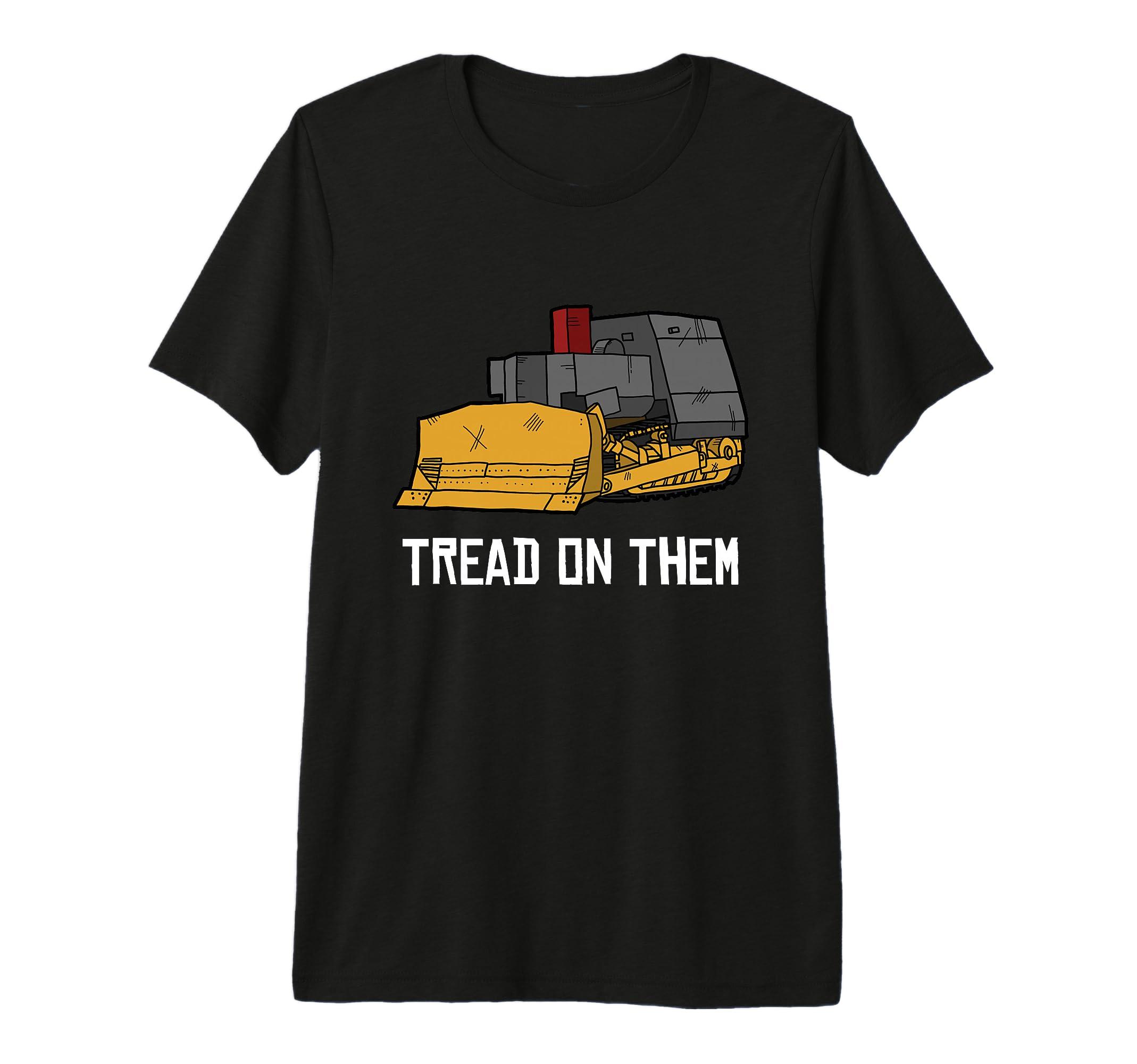
Background and Motivation
- Marvin Heemeyer was a welder and owned an automobile repair shop in Granby, Colorado.
- Heemeyer’s rampage was due to disputes with town officials over zoning rules affecting his business.
- His grievances included a blocked easement and restrictions that limited his business operations.
Preparation and Modification
-
Over a meticulous span of 18 months, Marvin Heemeyer transformed a Komatsu D355A bulldozer into a highly fortified vehicle, later dubbed the “Killdozer.” Working in secrecy, Heemeyer’s intricate modifications included constructing a reinforced shell formed from layers of thick steel and concrete, making the machine impervious to small arms fire. The cabin was enhanced with bulletproof glass protection and cameras for external navigation, demonstrating advanced mechanical ingenuity.
This was not merely a mechanical upgrade but a complete overhaul aimed at resilience and functionality. Heemeyer utilized compressed-air nozzles to keep camera lenses clear of debris, an essential component for visibility during operation. The methodical planning and precision embody a stunning display of engineering skills, albeit directed at an ultimately destructive use.
- The bulldozer was fortified with steel and concrete to create an armored shell.
-
Marvin Heemeyer’s bulldozer modifications epitomized engineering ingenuity aimed at fortification. The machine’s armor comprised layers of steel and concrete, a structure that rendered it resistant to small arms fire and even explosives. The multi-layered armor shielded critical components of the bulldozer, such as the engine and controls, ensuring durability and operational continuity during the rampage. This configuration acted as improvised composite armor, similar to that found in military-grade vehicles, capable of withstanding external attacks without compromising internal functionality.
To enhance practicality amidst such robust protection, Heemeyer installed video cameras encased in bullet-proof shields. These cameras fed visuals to monitors within the interior cabin, allowing controlled navigation without direct exposure to attacks. The modifications collectively rendered the bulldozer not just a tool of destruction but a near-impervious mobile fortress. These mechanical innovations highlight the interplay of functionality, defense, and adaptability in the context of machine modification for extreme scenarios.
The Rampage
- On June 4, 2004, Heemeyer initiated his destructive rampage.
- He demolished several buildings including the town hall and a former mayor’s house.
- No human casualties were reported, except for Heemeyer himself.
Technical Aspects
- The bulldozer’s armor consisted of layers of steel and concrete.
- It was equipped with video cameras protected by bullet-resistant casing to navigate.
-
Marvin Heemeyer equipped his Komatsu D355A bulldozer with an advanced, custom-built navigation system to ensure operational efficiency during his rampage. Inside the reinforced cabin, he installed video cameras encased in bullet-resistant polycarbonate, strategically positioned to capture external views. These cameras were connected to monitors mounted on the dashboard, allowing Heemeyer to navigate the vehicle despite limited direct visibility from the armored shell. To maintain camera clarity, compressed air nozzles were engineered to blow away dust and debris, ensuring an uninterrupted view. This innovative integration of visual systems exemplified precise mechanical planning under constrained conditions, enabling highly controlled operation of the modified bulldozer.
Aftermath and Legacy
- After getting stuck in a basement, Heemeyer ended his own life.
- The ‘Killdozer’ incident sparked discussions on individual rights against perceived government overreach.
- It remains a symbolic protest against bureaucratic obstruction.
♠
Found a bug? Have some other thoughts on this tool? Let me know here →