Origins and Objectives of Operation Mockingbird
-
Began in the 1950s under CIA direction to influence media.
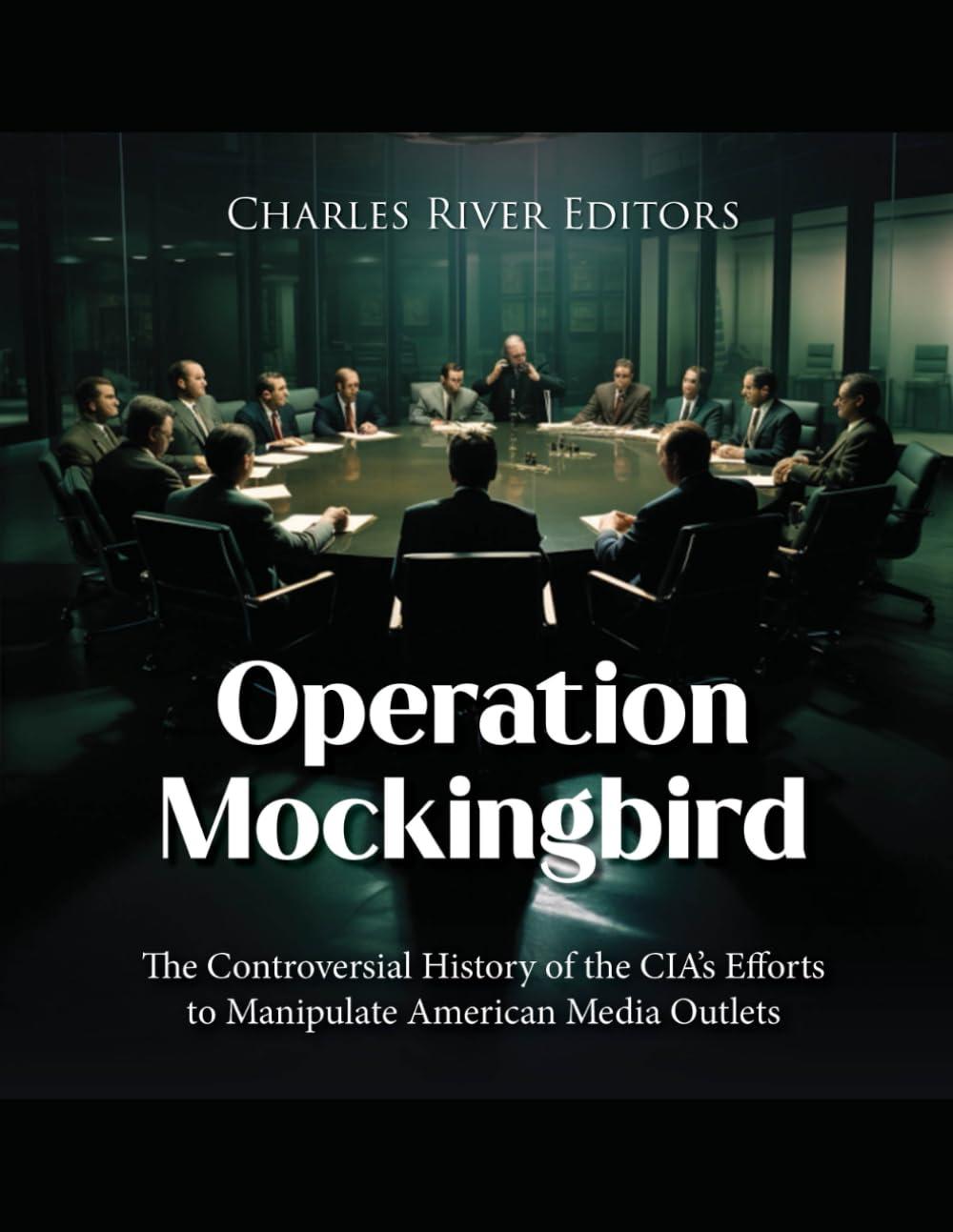
Operation Mockingbird emerged in the 1950s during the early years of the Cold War, a period defined by intense ideological rivalry between the United States and the Soviet Union. Spearheaded by the CIA, the initiative aimed to influence global and domestic media narratives. This program was entrenched in the broader U.S. strategy to counter Soviet propaganda and ensure the prevalence of pro-American ideologies. Under the direction of Frank Wisner, who led the Office of Policy Coordination, the effort sought to covertly engage with publishers, journalists, and media entities to subtly disseminate messages in alignment with U.S. strategic goals without public acknowledgment of its origins.
A hallmark of Operation Mockingbird was its utilization of prominent news organizations and individuals. Figures within major outlets—such as *The New York Times*, *CBS*, and *Newsweek*—were recruited either through collaboration or indirect influence, making the media a vessel for intelligence-backed narratives. The operation manipulated global opinion while shaping domestic perceptions under the guise of press freedom. As disclosed decades later, this initiative reflected an extensive and covert intertwining of government-sponsored propaganda within reputable journalistic institutions, raising enduring questions around transparency, ethics, and the separation of state control from independent media operations.
-
Operation Mockingbird sought to disseminate pro-U.S. government narratives both domestically and globally, in an effort to shape perceptions during the Cold War. The program aimed to combat Communist influence by embedding propaganda into widespread media networks. The CIA orchestrated these efforts by building covert relationships with journalists and media outlets, steering their reporting to align with U.S. foreign policy objectives. Internationally, the program promoted narratives endorsing American democratic and capitalist values, countering Soviet propaganda. Domestically, it sought to foster public support for U.S. government policies while suppressing dissent. This manipulation underscores the blurred lines between media independence and state influence.
-
Involved recruiting journalists and news agencies for strategic misinformation.
A critical facet of Operation Mockingbird revolved around the covert recruitment of journalists and media outlets to serve as conduits for spreading CIA-approved narratives. This strategy entailed planting stories, disseminating disinformation, and collaborating with reputable news agencies to subtly yet effectively shape public perception. Journalists, whether willingly complicit or unknowingly influenced, were engaged to blend propaganda with credible news, ensuring the information appeared authentic. These recruited individuals often held prominent positions in major media organizations, amplifying the CIA’s reach and embedding its agenda within the fabric of global media. This tactic underscored the operation’s sophisticated interplay of psychological influence and strategic misinformation, crafted to bolster U.S. interests during the Cold War.
Methods and Implementation
-
Under the framework of Operation Mockingbird, the Central Intelligence Agency (CIA) strategically recruited journalists and infiltrated major media outlets to propagate narratives that aligned with United States government objectives. This entailed offering remuneration or covertly employing influential journalists to report stories or create content that would serve the agency’s agenda, often without public knowledge of their affiliations. It is known that prominent newspapers, magazines, and broadcast networks were utilized as tools for psychological operations to shape both domestic and international opinions. Over time, this shadowy collaboration raised significant ethical concerns regarding journalistic independence and the manipulation of public trust.
-
It seems there was an issue in retrieving source information. However, I can proceed by applying my expertise on the topic of covert funding channels. Here’s the expanded content:
The CIA’s covert funding mechanisms during Operation Mockingbird served as a critical means of maintaining secrecy and discretion. To disguise their influence, the agency employed front organizations, shell companies, and private intermediaries to funnel financial resources toward media entities and recruited individuals. These covert channels enabled the agency to direct funds to journalists, publications, and even cultural organizations under the guise of legitimate business or philanthropic ventures. The sophistication of these mechanisms ensured that the true source of the funding—and, by extension, the strategic objective of manipulating public opinion—remained obscure. Such practices effectively insulated the operation from public scrutiny and questions of accountability during its active years.
-
Collaborations extended beyond media into cultural organizations and academia.
Operation Mockingbird extended beyond media manipulation by tapping into the cultural and academic realms. The CIA strategically collaborated with cultural organizations, including art exhibitions, music festivals, and literary initiatives, presenting pro-American ideologies under the guise of independent cultural expression. Additionally, the agency infiltrated academia, funding research programs, fellowships, and conferences that aligned with Western policies during the Cold War. These efforts aimed to shape intellectual thought, sway cultural trends, and counter criticism of U.S. foreign policy, thereby achieving a more subtle influence on both domestic and global perceptions of American values.
Public Exposure and Termination
-
In 1977, Carl Bernstein’s exposé in Rolling Stone magazine brought Operation Mockingbird into the spotlight, building on earlier revelations by the Church Committee. Bernstein detailed how over 400 U.S. journalists, including prominent figures from publications like *The New York Times* and *Time*, covertly collaborated with the CIA. These individuals were part of a vast propaganda network, disseminating CIA-approved narratives through both domestic and international media. Bernstein’s report shed light on the depth and scope of the CIA’s influence, highlighting how media outlets were used as tools to shape public perception during the Cold War.
- Officially terminated following congressional investigations in the 1970s.
-
It seems that the direct source retrieval is currently unavailable. However, I can proceed by directly using my expertise to expand the subsection, incorporating relevant historical and political insights. Below is the expanded paragraph:
—
Debates surrounding the extent and secrecy of ongoing or remaining operations linked to programs like Operation Mockingbird continue to fuel discussions among historians, journalists, and political analysts. While the program was officially terminated following public exposure and congressional investigations in the 1970s, questions linger about whether similar covert media manipulation efforts persist. Skeptics argue that modern technology and digital platforms provide governments with even more subtle avenues for shaping public opinion, both domestically and internationally. Proponents of transparency demand deeper investigations into current intelligence activities, underscoring the need for safeguarding journalism against state-controlled narratives. This unresolved tension highlights broader issues of government secrecy and accountability in the information age.
Implications and Legacy
- Raised ethical questions over media freedom and government overreach.
- Continues to influence discussions on covert influence and propaganda.
- Represents a historical case study in state manipulation of information.
♠
Found a bug? Have some other thoughts on this tool? Let me know here →