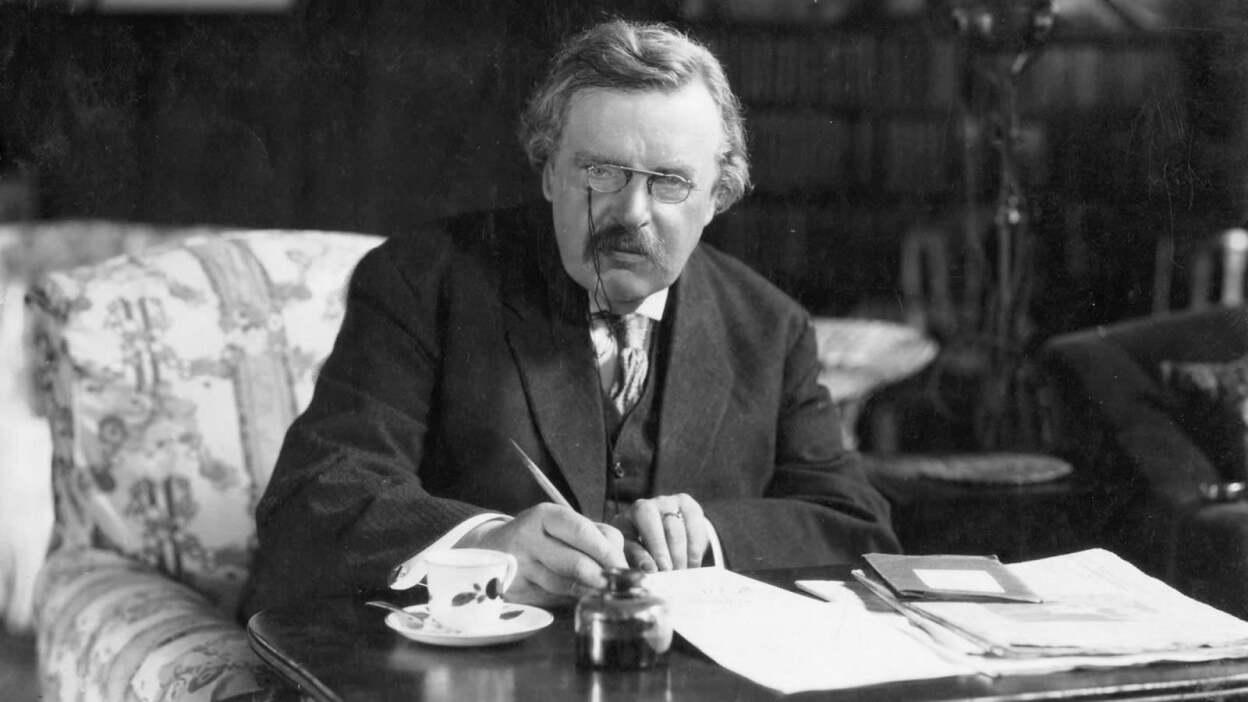
Origin and Philosophy of Chesterton’s Fence
-
Named after the renowned writer and philosopher G.K. Chesterton, the principle of Chesterton’s Fence underscores the importance of fully understanding the reasons behind the existence of a system or structure before attempting to alter or dismantle it. The concept originates from Chesterton’s parable of a reformer who proposes removing a fence because they see no immediate use for it. However, they are advised not to proceed until they comprehend its purpose. This principle teaches that institutions and rules are rarely arbitrary; they arise to address specific needs or challenges, even if those needs are no longer apparent to modern eyes.
Chesterton’s insight calls for caution and humility in decision-making, reminding us that the wisdom of past generations often lies embedded in the systems they created. While innovation and reform are both necessary and valuable, doing so without appreciating the historical function of what currently exists risks unforeseen consequences. By respecting the logic of the past, one can reform with greater precision and effectiveness, avoiding the disruption that may arise from uninformed change. This narrative advocates not for blind adherence to tradition, but for thoughtful and informed adaptation.
-
In G.K. Chesterton’s parable, the concept of a reformer approaching a fence epitomizes thoughtful decision-making. Encapsulated vividly in his argument, Chesterton underscores that when encountering an established structure, like a fence, the immediate impulse to remove it must be resisted. The warning is clear: unless one understands the rationale behind its erection, any alteration might risk unforeseen consequences. The parable hence embodies a broader principle—before altering traditions, rules, or systems, comprehend their historical necessity and functionality. Without such understanding, reforms may inadvertently dismantle safeguards or cultural wisdom embedded over time.
-
Chesterton’s principle cautions against the removal or alteration of any existing structure—be it physical, social, or institutional—without first understanding the purpose it serves. It captures the essence of pragmatic conservatism, urging individuals to pause and investigate the rationale behind current systems before enacting reforms. This reasoning highlights the deep empirical wisdom often hidden within long-standing traditions or practices. Chesterton believed that past generations constructed systems for substantive reasons, and these structures might still address critical, albeit less visible, concerns.
The principle serves as a philosophical safeguard against the errors of uninformed change. For instance, dismantling a regulation or tradition without research could lead to fallout, as the “fence” may have provided unseen societal or functional benefits. It is not an argument against progress but a call for contextually grounded and informed decision-making—a lesson applicable across governance, policies, and other societal facets. Understanding the ‘fence’ ensures that any action, whether preservation or removal, carries informed intent.
Philosophical Implications
-
Chesterton’s Fence underscores the importance of understanding the historical context and accumulated wisdom embedded in existing structures. The philosophy asserts that institutions, customs, or laws rarely emerge arbitrarily; instead, they reflect the trials, errors, and lessons of past generations. This perspective cautions against dismissing traditional practices without first comprehending their origins and functions. Historical context serves as a reservoir of empirical knowledge, providing insights into why something was developed and the specific challenges it sought to address.
Preserving the wisdom of previous generations doesn’t imply blind allegiance to the past; instead, it demands intellectual humility. As Will and Ariel Durant noted, the customs and institutions society inherits are often the result of centuries of nuanced experimentation. Overstepping the wisdom of history risks dismantling systems in ways that can provoke unintended consequences, potentially replicating or exacerbating past mistakes. With thoughtful examination of context, reform becomes informed, fostering meaningful and sustainable improvements.
-
Modern reformers often demonstrate an eagerness to dismantle systems or structures without first examining the decisions that created them. G.K. Chesterton’s principle, famously encapsulated in his “Fence” parable, offers a critique of this impulse. He argues that uninformed change risks both unintended consequences and the loss of foundational wisdom embedded in existing institutions. Misguided acts of reform, motivated by superficial assessments, often fail to account for context, historical resilience, or latent purposes that give systems their utility or function.
This critique urges humility in addressing inherited systems. Reforms that ignore past decisions are prone to navigating blind spots, risking harm rather than progress. Chesterton’s wisdom highlights the critical need to ask “why” and “how” before assuming the redundancy or malice of long-standing structures. Without this understanding, reformers may inadvertently perpetuate mistakes or dismantle mechanisms that safeguard complex societal interests.
-
The principle of respecting existing customs and institutions, as emphasized in G.K. Chesterton’s philosophy, highlights the value of inherited structures that have withstood the test of time. These institutions are not random artifacts but reservoirs of empirical wisdom formed through societal trial and error. Chesterton argued that the continuity of these systems indicates their practical utility in addressing human needs or societal challenges, even if their origins are not immediately apparent to modern thinkers.
Embedded in this respect is a deeper recognition of the humility required in reform efforts. Disregarding existing frameworks without understanding their core purposes risks the loss of nuanced solutions embedded within these systems. Chesterton’s perspective calls for careful examination rather than impulsive dismissal, fostering an appreciation for the accumulated knowledge of generations before engaging with change.
Practical Applications
-
Reforming systems without understanding their foundations frequently leads to unintended consequences, as Chesterton’s Fence illustrates. G.K. Chesterton’s logic warns that removing or altering existing structures without comprehension overlooks the implicit purpose these systems serve. For instance, laws, social norms, or even organizational hierarchies, while sometimes feeling burdensome or outdated, are designed to solve specific problems or maintain order. Abrupt reform, whether in governance or institutions, risks creating chaos or inefficiency, akin to dismantling protections whose underlying utility was misunderstood.
Consider the push to eliminate organizational hierarchies. Advocates often view hierarchies as rigid or oppressive, but they neglect the need for decision-making, accountability, and order in complex systems. Removing such structures without adequate replacements may inadvertently empower less competent but more domineering individuals, undermining fairness and efficiency. Chesterton’s principle highlights that effective reform must not reject tradition outright but evolve thoughtfully, grounded in understanding and respect for historical context.
-
Chesterton’s Fence applies poignantly to the dynamics of organizational hierarchies. Efforts to flatten these structures, aiming for egalitarianism, often underestimate the purposefulness of their existence. Hierarchies are not mere relics of convention but frameworks developed to streamline decision-making, ensure accountability, and structure responsibilities. Disrupting them without understanding these roles may lead to chaos rather than democracy, as decisions falter and roles become unclear.
For example, eliminating managerial layers to encourage direct collaboration might initially seem efficient but can result in overburdening employees and unclear leadership trajectories. Understanding the origins and rationale behind these layers enables informed reforms, mitigating unintended consequences.
-
Chesterton’s Fence serves as a potent metaphor in assessing societal, institutional, and policy changes, urging one to refrain from dismantling structures without comprehending their original purpose. In political philosophy, this principle advocates for thorough analysis and contextual understanding, warning against reforms driven by superficial perceptions. It represents intellectual humility—acknowledging the complexity of human systems and respecting the empirical wisdom embedded in historical practices. By recognizing the underlying rationale behind established norms, one avoids pitfalls of unintended consequences, emphasizing that prudence and thoughtful deliberation are prerequisites for effective societal progress.
Critiques and Misinterpretations
-
Chesterton’s Fence is frequently misinterpreted as an advocacy for preserving the status quo uncritically. However, G.K. Chesterton’s intent was far more nuanced: it was not about clinging to tradition for tradition’s sake but about understanding the reasoning behind existing structures before altering them. The principle reflects a cautious balance between respect for historical wisdom and the need for thoughtful reform. Previous generations grappled with challenges, and their solutions, embodied in systems or traditions, often arose from empirical lessons accumulated over time.
Consequently, rushing to dismantle what we perceive as outdated restrictions without examining their origins can yield unanticipated consequences. Chesterton’s metaphor of the fence emphasizes prudence, demanding that reformers take the time to uncover whether an existing convention safeguards crucial functions or balances complexities invisible at first glance. This principle, grounded in political philosophy, underscores the necessity of thoughtfully evaluating the interplay between historical context and progressive ambitions to avoid the perils of uninformed change.
-
Chesterton’s true intent was not to prevent change but to caution against uninformed reforms.
Chesterton’s original intent behind the concept of the “Fence” was to caution against uninformed and hastily enacted reforms. His argument was not that changes should never occur, but that they should only happen once the existing structure and its purpose were thoroughly understood. This principle suggests that even seemingly outdated systems or institutions often serve purposes that are not immediately apparent. Thus, wise reformers must practice patience and curiosity, exploring the historical and contextual reasons behind structures before deciding their fate.
In his illustrative parable, Chesterton critiques impulsive reformers who tear down what they do not fully comprehend, pointing out the potential consequences of such hasty actions. His philosophy highlights a thoughtful balance between preserving value and embracing progress. By understanding why past decisions were made, reformers not only avoid repeating mistakes but also ensure that any change they implement leads to meaningful and sustainable improvement. Through this lens, Chesterton’s Fence becomes a timeless guide for measured decision-making in any domain.
-
Named after renowned English writer G.K. Chesterton, the “Chesterton’s Fence” concept embodies a cautionary principle about understanding before reforming. Originating from a parable, it describes a reformer encountering a fence who impulsively wishes to dismantle it, not perceiving its purpose. A wiser counterpart intervenes, urging the reformer to first comprehend the fence’s rationale before acting. Chesterton highlights that the superficial absence of necessity does not confirm irrelevance. This underscores the need to respect the historical, cultural, or practical context behind enduring structures, institutions, or practices, advocating for thoughtful deliberation over hasty alterations.
In the broader perspective of political philosophy, “Chesterton’s Fence” serves as a lens to evaluate reforms with prudence. It discourages impulsive disruptions of established systems, encouraging patience and inquiry. Behind every existing construct—whether a law, tradition, or social norm—lies a historical intent or functional wisdom. By demanding critical analysis of why something exists, the principle deters naive modernity from repeating past mistakes. This framework is not a resistance to change but champions an informed evolution, leveling respect for inherited knowledge with the necessity of progressive improvement.
Contemporary Relevance
-
Chesterton’s Fence offers valuable insights for policy changes and social reforms, emphasizing the necessity to understand underlying purposes before enacting alterations. Policies and social institutions often embody the cumulative wisdom of generations, crafted to address specific conditions or problems. Reforms that disregard historical context or existing structures risk disrupting the equilibrium and triggering unintended consequences. For instance, abolishing longstanding regulations without comprehending their protective or preventive roles might expose vulnerabilities or exacerbate existing societal challenges.
In modern discourse, the principle cautions against the overzealous impulse to amend or discard systems based solely on present-day perceptions. It supports a methodical approach where reformers assess the original intent and effectiveness of policies, ensuring that changes align with both historical insights and contemporary needs. Such prudence not only avoids regretful disruptions but also promotes incremental, informed, and effective evolutions in governance and societal practices.
-
The principle of Chesterton’s Fence underscores the importance of caution and thorough analysis before initiating legislative or structural changes. Its essence lies in the argument that understanding the existing system or structure’s original purpose is paramount before any alteration. Simply removing or reforming an institution without considering its foundation risks unintended consequences. Every law, policy, or practice has a historical context, and comprehending this context provides the wisdom necessary to foresee potential repercussions of change.
For political philosophers, this principle highlights how hasty reforms often prioritize present dynamics while disregarding the accumulated insights of past generations. By insisting on a methodical review of the “why” behind existing structures, Chesterton’s Fence ensures that reformers respect precedent and avoid abrupt transitions that could destabilize systems. This approach fosters a balance between progress and continuity, urging reformers to adopt an evidence-based and informed strategy rather than relying on impulsive or surface-level judgments.
-
Chesterton’s Fence emphasizes historical awareness and context as vital components in effective decision-making. By advocating for a deep understanding of why existing structures or customs were established, this principle guards against hasty and potentially destructive reforms. Systems and traditions often encapsulate collective wisdom gained through generations of trial and error. Dismantling such elements without comprehending their origins risks invalidating lessons learned from the past, which may bring unforeseen or adverse consequences.
In political philosophy, this principle counters the temptation of modern reformers to view all practices as outdated or irrelevant. By promoting an appreciation for historical context, the principle suggests that even imperfect institutions could serve hidden or nuanced functions critical to societal stability. Careful analysis and respect for past decisions lay the groundwork for informed and thoughtful changes while minimizing harm to the societal fabric.
♠
Found a bug? Have some other thoughts on this tool? Let me know here →