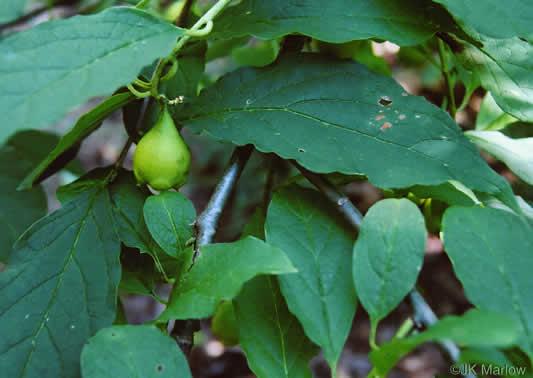
Structure and Anatomy of Drupe
-
A drupe’s anatomical structure comprises three distinct and specialized layers, each playing a critical role in the fruit’s function. The exocarp, or the outermost layer, forms the protective outer skin, which may range from smooth to textured depending on the species. Below lies the mesocarp, the often fleshy and edible portion responsible for attracting seed dispersers like animals due to its nutrient content. At the core resides the endocarp—rigid and stony—designed to safeguard the seed from physical damage and external threats, ensuring effective propagation and survival. This layered architecture uniquely supports both reproduction and dispersal.
- The mesocarp is typically the fleshy and edible portion of the fruit, though it can sometimes be tough or fibrous depending on the species, as seen in almonds and coconuts.
- The stony endocarp supplements seed protection, creating a durable covering that aids in the seed’s dispersal by keeping it intact after the fruit is consumed or decomposed.
Reproductive and Ecological Role
- Drupes develop from the ovary of a single flower, making them a type of simple fruit.
- The structure of drupes is beneficial for seed protection and dispersal, with animals often playing a key role in this process by eating the fruit and later dispersing the seed through feces.
- They provide important nutritional resources to various animal species, thus playing a significant role in many ecosystems.
Examples and Varieties of Drupes
- Common examples of drupes include cherries, peaches, plums, and olives. Each of these displays variations in the texture of the mesocarp and hardness of the endocarp.
- Almonds and coconuts are other notable drupes, with almonds having a leathery mesocarp and coconuts exhibiting a fibrous one.
- The diversity within drupes reflects adaptability across various climates and areas, which allows them to thrive globally.
Cultural and Agronomical Importance
- Many drupes are economically significant and are cultivated worldwide for their nutritious value.
- Drupes like peaches and plums are integral to fruit agriculture and horticulture, with specific cultivars developed for improved yield and resistance.
- Coconuts hold particular cultural importance in tropical regions, serving as a critical food source and fuel.
♠
Found a bug? Have some other thoughts on this tool? Let me know here →