The Incident Overview
- Helios Airways Flight 522 was a passenger flight from Larnaca, Cyprus to Prague, with a stop in Athens, that crashed on August 14, 2005, killing all 121 on board.
- The incident remains the deadliest aviation accident in Greek history.
-
Investigators revealed that prior tests left the cabin pressurization switch set to manual instead of automatic.
One of the pivotal findings in the investigation of Helios Airways Flight 522 was the discovery that the cabin pressurization system, a critical component in ensuring passenger and crew safety, had been left in the manual setting during prior maintenance tests. This occurred when ground engineers conducted a routine leak check but failed to reset the switch to “automatic” before the aircraft was cleared for flight. In manual mode, the system relies entirely on human intervention to maintain proper cabin pressure, which, in this case, was not adjusted during flight operations.
The oversight was compounded further by the flight crew’s failure to identify the incorrect switch position during their pre-flight checks or throughout the flight. This technical error, rooted in miscommunication and lax procedural adherence, initiated a cascade of events that ultimately led to cabin depressurization. The absence of automatic cabin pressurization caused oxygen levels to plummet, rendering the pilots and nearly all passengers unconscious due to hypoxia, and underscored the need for stricter adherence to maintenance protocols and crew training regarding safety-critical systems.
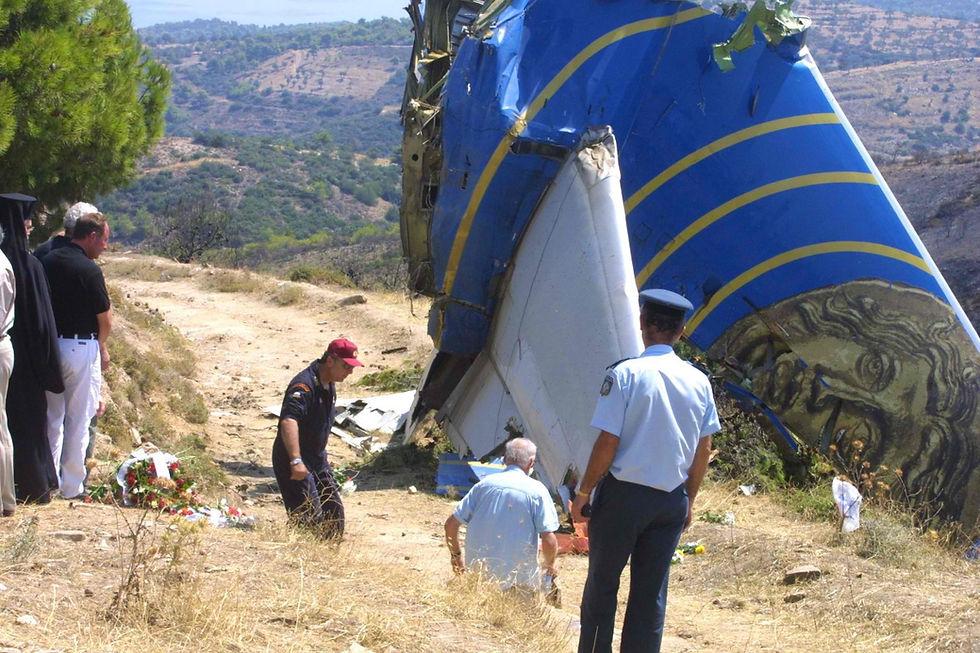
- The airplane eventually ran out of fuel and lost power, crashing into a hillside near Grammatiko, Greece.
Pressurization System and Crew Errors
-
During the pre-flight check, a ground engineer set the pressurization system of Helios Airways Flight 522’s Boeing 737-300 to “manual” to conduct a routine leak test. Crucially, the system was not reverted back to “automatic” before the aircraft was cleared for departure. This oversight directly impacted the aircraft’s ability to regulate cabin pressure during its climb. The flight crew, following protocol, could have caught this during their pre-flight checks. However, the setting went unnoticed, leading to a gradual loss of cabin pressure without activation of automated controls to correct the situation.
The investigation into the crash identified this error as a critical factor, compounded by the flight crew’s mismanagement of early pressurization alerts. Once in flight, the incorrect setting prevented the aircraft from adjusting to higher altitude pressures, causing hypoxia (oxygen deprivation) among passengers and crew. This exemplifies how a seemingly minor lapse in procedural compliance, such as resetting a single control knob, can cascade into catastrophic outcomes in aviation systems.
- The flight crew overlooked the pressurization system settings during key pre-flight checks.
- The warning horn, indicating cabin pressure issues, was misidentified as a takeoff configuration warning.
- Both pilots and nearly all passengers lost consciousness due to hypoxia induced by gradual depressurization.
Impact of Hypoxia
-
Helios Airways Flight 522 tragically entered aviation history as a “ghost flight.” The resulting incapacitation of its crew and passengers stemmed from hypoxia, a condition triggered by insufficient oxygen supply following a gradual loss of cabin pressure. As the Boeing 737 climbed to cruising altitude, the improper pressurization settings caused an unnoticed depletion of breathable air. Disoriented and unconscious from the lack of oxygen, the crew failed to address critical warning signals before losing all functionality.
In this eerie scenario, the airplane remained on autopilot for more than two hours after its intended communication ceased. Fighter jets scrambled to intercept the craft reported haunting images of passengers slumped in their seats with oxygen masks dangling overhead—a stark depiction of hypoxia’s insidious effects. Hypoxia not only incapacitated everyone on board but foreclosed any chance of survival, concluding in the crash near Grammatiko, Greece. The incident underscores costly vulnerabilities in both crew awareness and mechanical systems governing in-flight emergencies.
- Autopsies revealed some passengers might have been alive but unconscious upon impact.
- One flight attendant with a pilot’s license tried to save the aircraft using a portable oxygen bottle but was unable to regain control.
Design Flaws and Company Responsibility
- Boeing had been previously informed of the ambiguous nature of warning alarms in the cockpit.
- The aircraft manufacturer stated human error as the cause but faced criticism for cockpit design issues.
- Boeing’s yet unresolved issues surrounding the alert system of the Boeing 737 had been highlighted by NASA.
- Families involved in the crash settled out of court with Boeing for an undisclosed sum.
Legal Outcomes and Accountability
-
Multiple lawsuits arose from the Helios Airways Flight 522 tragedy, targeting both Helios Airways and Boeing for alleged negligence. Legal claims pointed to a series of errors, including inadequate maintenance and safety protocol adherence by Helios, and Boeing’s design flaws, such as ambiguous cockpit alert systems. These legal actions emphasized systemic failures, questioning the responsibilities of the airline and manufacturer in preventing such avoidable catastrophes. This incident highlighted the importance of robust compliance with safety standards and engineering clarity to prevent misinterpretations of critical warning systems in aviation.
-
The engineer at the center faced a lengthy legal battle but was ultimately found not guilty on appeal.
The engineer at the center of the Helios Airways Flight 522 disaster was initially accused of negligence for failing to reset the pressurization system from manual to automatic after a maintenance check. This alleged oversight became a key factor in the chain of events leading to the gradual depressurization of the aircraft, which ultimately claimed 121 lives. The legal proceedings against the engineer were prolonged and heavily scrutinized by aviation experts and legal authorities alike. However, during the appeals process, it was determined that the broader systemic issues, including insufficient checks and ineffective communication protocols within Helios Airways’ maintenance procedures, diluted the direct culpability of one individual. As a result, the engineer was acquitted, though the case highlighted a critical need for industry-wide reforms to ensure such lapses would not recur.
- Other Helios management faced convictions and were held liable for negligence.
- Greek and Cypriot authorities investigated Helios for past operational issues.
Improvements in Aerospace Safety Protocols
- Boeing later added training for discerning alert system differences in the cockpit.
-
Pressurization systems in Boeing 737s were later altered to include more redundant alerts.
Following the tragic Helios Airways Flight 522 accident, Boeing implemented significant changes to the pressurization systems in its 737 aircraft. These systems were redesigned to include additional redundant alert mechanisms, ensuring that any pressurization anomalies would be more distinct and harder to overlook. The modifications emphasized clearer visual and audible warnings, reducing the risk of misidentification by flight crews, as seen in the Helios incident. This safety improvement aimed to enhance situational awareness, ensuring that pilots could promptly recognize and address cabin pressure issues, preventing similar occurrences in the future.
- Airlines received increased scrutiny over maintenance check protocols.
- The aviation industry mandated better checks on crew awareness for cabin depressurization scenarios.
♠
Found a bug? Have some other thoughts on this tool? Let me know here →
![Protoparmeliopsis muralis, lichen crustacé saxicole couvrant de nombreux substrats artificiels[g].](https://ericknaus.com/wp-content/uploads/2026/02/Lecanora_muralis_-_Flickr_-_pellaea_1-150x150.jpg)