First recorded EEG of a dying human brain
-
The first-ever EEG scan of a dying human happened with an 87-year-old epilepsy patient in Vancouver.
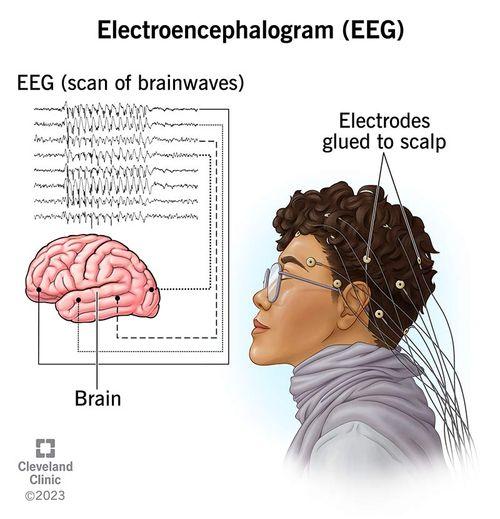
The first-ever EEG (electroencephalogram) recording of a dying human brain provided an unprecedented glimpse into neural activity during the final moments of life. This accidental discovery occurred in Vancouver, Canada, with an 87-year-old epilepsy patient undergoing routine seizure monitoring. This case became extraordinary when the individual experienced a sudden, fatal cardiac event during the EEG recording. The data captured offered an unprecedented chance to explore the human brain’s electrical activity in a state of transition between life and death, an area previously untouched in human neuroscience. This unique incident has introduced new avenues for comprehending consciousness and cognition at life’s end.
-
The capture of elevated gamma wave activity during the final moments of life has profound implications in the understanding of brain function at life’s end. Gamma waves are typically associated with high-level cognitive activities, such as problem-solving, meditation, and the processing of memories and sensory experiences. Observing this activity in an 87-year-old patient during their last moments suggests that the brain may engage in an extraordinary pattern of connectivity and information processing during the dying process.
Specifically, the elevated gamma activity could imply the initiation of processes linked to memory consolidation or vivid imagery, potentially aligning with reported phenomena like life flashing before one’s eyes. This intriguing finding opens pathways for further exploration, particularly how different brain regions synchronize in this cognitive state. Still, as this data is from a single case study, broader research is needed to confirm or understand its universality and implications in neurobiology.
- This recording was accidental, occurring during a routine check to monitor seizures.
Implications of elevated gamma waves
-
Elevated gamma wave activity in the moments before death has drawn substantial intrigue due to its association with advanced cognitive functions. These high-frequency brain waves, typically linked to activities such as memory recall, problem-solving, and deep meditative states, have led neuroscientists to propose that the dying brain might replay significant memories or simulate dream-like experiences. While speculative, this aligns with anecdotal notions of “life flashing before one’s eyes,” a phenomenon often described by individuals who have faced near-death scenarios.
Gamma waves represent the pinnacle of neural synchronization, connecting various brain regions during complex tasks. When observed in the brain of a dying individual, it suggests a final surge of activity possibly triggered by cellular metabolism or anoxia. However, this singular case study needs further exploration to discern whether these findings are universal or influenced by the unique neurological conditions present. Understanding these last moments could provide profound insights into consciousness and the continuum of life and death.
- Findings suggest the possibility of ‘life flashing before eyes’ at death.
- Such interpretations, however, remain speculative as this data comes from a single case study.
Potential shifts in understanding and future research
- The study raises questions about whether EEG should be used alongside EKG to determine the moment of death.
- Further research is needed to conclusively determine the cognitive processes occurring at the time of death.
- Ethical considerations and methodological challenges exist in researching the dying brain.
Comparative studies and existing findings
- The findings were cross-referenced with a 2013 rat study with similar results.
- Dr. Lawrence Ward notes the potential for different results in younger subjects due to neurological resilience.
Implications for bereavement and societal perceptions
- The study could offer comfort by suggesting dying individuals might experience positive cognitive states.
- Researchers hope findings might provide insight and peace for those dealing with loss.
♠
Found a bug? Have some other thoughts on this tool? Let me know here →
![Protoparmeliopsis muralis, lichen crustacé saxicole couvrant de nombreux substrats artificiels[g].](https://ericknaus.com/wp-content/uploads/2026/02/Lecanora_muralis_-_Flickr_-_pellaea_1-150x150.jpg)