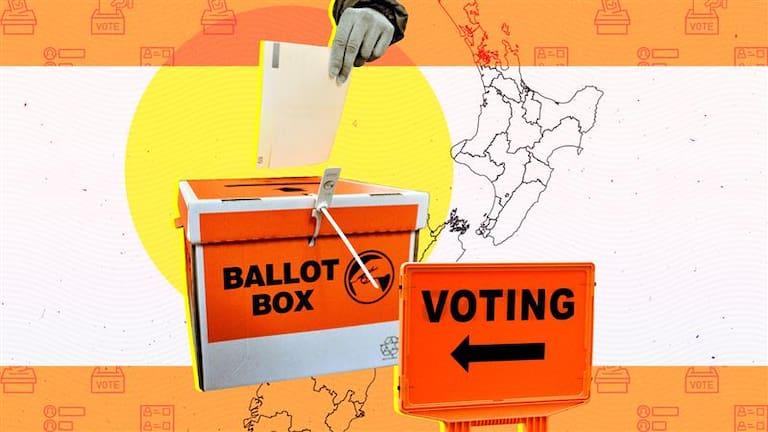
Key Candidates and Positions
- Democratic incumbent Caroline Simmons is running for reelection against Republican challenger Nicola Tarzia in Stamford’s mayoral race.
- Several other key positions are up for election, including Town Clerk, with candidates from different parties vying for the spot.
-
The contests for Stamford’s Board of Finance and Board of Education feature candidates from a spectrum of political affiliations, including the Democratic, Republican, Independent, and Green parties. This diversity reflects the city’s political plurality and underscores the importance of these governance roles. Both boards influence critical aspects of Stamford’s future, from economic oversight and budgeting to shaping policies that affect the quality of education and resource allocation for the city’s schools. With such diverse representation, residents have the opportunity to shape city policies through their votes and align local priorities with their values.
Core Issues in the Mayoral Race
-
Economic growth stands as a cornerstone of Stamford’s upcoming mayoral race, with candidates offering distinct approaches to rejuvenate the city’s economy. Democratic incumbent Caroline Simmons is likely to emphasize investments in technology and small businesses to stimulate job creation, while also focusing on infrastructure modernization to attract larger firms. By contrast, Republican challenger Nicola Tarzia may advocate for tax incentives and deregulation to foster a more business-friendly environment, aiming to accelerate private investment. Each strategy reflects broader political ideologies, making economic policies a hotly debated topic that aims to balance growth with fiscal responsibility.
-
Public safety has emerged as a cornerstone issue in Stamford’s mayoral race, reflecting the concerns of a community prioritizing safety in its neighborhoods. Democratic incumbent Caroline Simmons has showcased achievements during her tenure, such as investments in modern equipment for emergency responders and bolstering community policing. Meanwhile, Republican challenger Nicola Tarzia critiques past policies, proposing robust measures such as increased policing and enhanced public-private safety initiatives. Both candidates pledge a concerted focus on reducing crime and fostering trust between citizens and law enforcement, signaling their commitment to making Stamford a safer and more secure city.
-
Educational policy debates in Stamford have become a polarizing issue among mayoral and local candidates, focusing especially on school funding and resource allocation. Supporters of increased funding argue that bolstering resources for teacher salaries, infrastructural updates, and technological upgrades is critical to maintaining high academic standards and addressing disparities in education quality. Conversely, critics often advocate for more efficient use of existing budgets, scrutinizing spending to ensure value without excessively increasing the fiscal burden on residents.
This debate has highlighted the broader challenge of equity in Stamford’s education system, with differing strategies to address underfunded schools in disadvantaged areas. Both Democratic and Republican candidates see education as vital to Stamford’s future, though they differ in their financial strategies and priorities. The issue remains central, reflecting deeper concerns about preparing Stamford’s youth for a competitive global economy.
Voting and Ballot Details
- Early voting is available at the Stamford Government Center from Oct. 21 to Nov. 3.
- Absentee ballots can be mailed or dropped off at designated locations.
- The ballot includes a proposed change to Connecticut’s constitution, which is a significant point of public discourse.
Representation and District Participation
- The Stamford Board of Representatives includes many districts, each with candidates from various parties.
-
District-level engagement plays a critical role in fostering a vibrant democratic process, especially in cities like Stamford with diverse candidate representation. By understanding their individual district dynamics and getting to know the candidates’ policies and backgrounds, residents empower themselves to make informed choices that directly impact their communities. Active engagement not only builds accountability but also strengthens the link between elected officials and the electorate. This local participation shapes decisions on resource distribution, development, and public programs, reflecting the priorities of the district’s constituents.
Moreover, encouraging voter awareness at the district level bridges communication gaps between communities and policymakers, ensuring diverse voices are heard. For Stamford’s Board of Representatives and other district-based bodies, robust participation enhances representation while addressing localized challenges pragmatically. Efforts to engage, such as public forums or voter guides, highlight each candidate’s vision, equipping voters with the context they require to vote more confidently.
-
It appears I couldn’t fetch the relevant source information directly. However, I can utilize the given outline and source details to expand the subpoint expertly.
Stamford’s elections mirror the city’s vibrant demographic and political diversity, as candidates from varied backgrounds and experiences seek to represent their districts. This diversity enhances Stamford’s political landscape by introducing perspectives that address the unique needs of its communities. From long-time political figures to newcomers with different professional and cultural insights, the city’s election fosters inclusivity in governance. Such representation ensures that policies resonate with the experiences of Stamford’s multifaceted population, aiming to balance competing interests while addressing local concerns effectively.
Voter Engagement and Future Implications
- Voter turnout is expected to be significant due to the competitive nature of the mayoral race and key issues.
- Post-election implications could redefine political strategies and public policy focus areas in Stamford.
- Engagement in these local elections may influence broader state politics, with potential constitutional changes on the ballot.
♠
Found a bug? Have some other thoughts on this tool? Let me know here →
![Protoparmeliopsis muralis, lichen crustacé saxicole couvrant de nombreux substrats artificiels[g].](https://ericknaus.com/wp-content/uploads/2026/02/Lecanora_muralis_-_Flickr_-_pellaea_1-150x150.jpg)