The Origins and Establishment of the Nobel Peace Prize
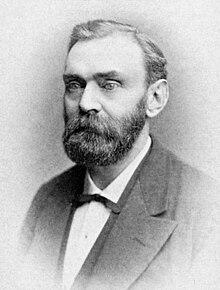
- The Nobel Peace Prize was established as part of Alfred Nobel’s will in 1895, and the first prize was awarded in 1901.
- Alfred Nobel, the inventor of dynamite, wanted the prizes to go to those who conferred the greatest benefit to humanity, with specific interest in peace, literature, chemistry, physics, and medicine.
-
The motivation for the Peace Prize might have been influenced by a mistaken obituary labeling Nobel a ‘merchant of death,’ prompting him to leave a better legacy.
The origin of the Nobel Peace Prize is often linked to a particularly striking incident involving Alfred Nobel’s public image. In 1888, a French newspaper erroneously published an obituary for Nobel when his brother passed away, labeling him the “merchant of death” for his role in inventing dynamite and profiting from arms manufacturing. This harsh depiction is believed to have deeply unsettled Nobel, prompting a reflection on how he would be remembered. Determined to reshape his legacy, he sought a meaningful way to contribute positively to humanity, leading to the inclusion of the Peace Prize in his will. This act of atonement illustrates how personal experiences and perceived public perception can influence actions aimed at fostering social good.
- Bertha von Suttner, a close associate and later a laureate, may have influenced Nobel’s decision to include a peace prize.
Selection Process and Historical Context
- The Norwegian Nobel Committee is responsible for selecting Peace Prize laureates in accordance with Alfred Nobel’s will.
- Until 1975, the committee rarely disclosed reasons for awarding the prize, relying on committee speeches to implicitly justify choices.
- Nomination archives, accessible after 50 years, offer insights into decision-making processes of past awards.
-
Alfred Nobel’s decision to establish the Nobel Peace Prize in 1895 was a multifaceted legacy influenced by personal and societal factors. A misunderstood obituary, which labeled him as a ‘merchant of death’ due to his invention of dynamite and its permeation into warfare, profoundly shaped his outlook. This grim epithet likely prompted a desire to ensure his name was associated with contributions to humanity’s betterment rather than destruction. This interest was reflected in his last will, which allocated his fortune towards prizes for achievements benefiting peace, science, and culture.
Additionally, Nobel’s interactions with passionate pacifist Bertha von Suttner, who later became a laureate herself, may have steered his focus towards honoring peace movements. Von Suttner’s advocacy for disarmament paralleled Nobel’s personal contemplation of his inventions’ dual use—both constructive and violent. When awarding the first Peace Prize in 1901, the intent was clear: recognize and amplify efforts that not only cease conflict but foster enduring harmony. Over time, Nobel’s influence has become intertwined with a broader definition of global peace, serving as a symbol of hope and moral progress.
Notable Laureates and Controversies
- The Nobel Peace Prize has seen its share of controversies, reflecting different interpretations of Nobel’s intent.
- Some awards, like those to Henry Kissinger and Yasser Arafat, sparked debates due to their complex legacies in peace and conflict.
- The peace prize often generates discussion on the evolving definition of peace and its relevance in modern contexts.
- The prize remains one of the most prestigious accolades globally, maintaining significance in international recognition and diplomacy.
Impact and Legacy
- The Nobel Peace Prize continues to influence peace efforts worldwide by recognizing and elevating the contributions of individuals, organizations, and movements.
- The prize serves not just as recognition, but as a catalyst for continued humanitarian efforts in areas such as education, negotiation, and policy change.
-
Despite controversies, the prestige and moral authority of the Nobel name lend weight to the voices and causes of its laureates.
The Nobel Peace Prize remains a potent symbol of moral and ethical leadership, despite occasional controversies surrounding its conferral. Its prestige derives not just from its history but also from its association with Alfred Nobel’s vision of fostering peace and bettering humanity. The credibility of the prize amplifies the voices of its recipients, granting them a global platform to advocate for their causes, whether it be disarmament, human rights, climate change, or refugee support. By legitimizing and elevating these efforts, the Nobel name lends unparalleled international awareness and support to individuals and organizations, often catalyzing further action and change. Icons like Martin Luther King Jr., Malala Yousafzai, and organizations like the International Campaign to Abolish Nuclear Weapons have benefited profoundly from this recognition, translating the symbolic weight of the prize into real-world influence.
- Independent literature and historical accounts continue to explore the evolving influence and significance of the Peace Prize.
♠
Found a bug? Have some other thoughts on this tool? Let me know here →